3D puff embroidery digitizing that covers the foam cleanly.
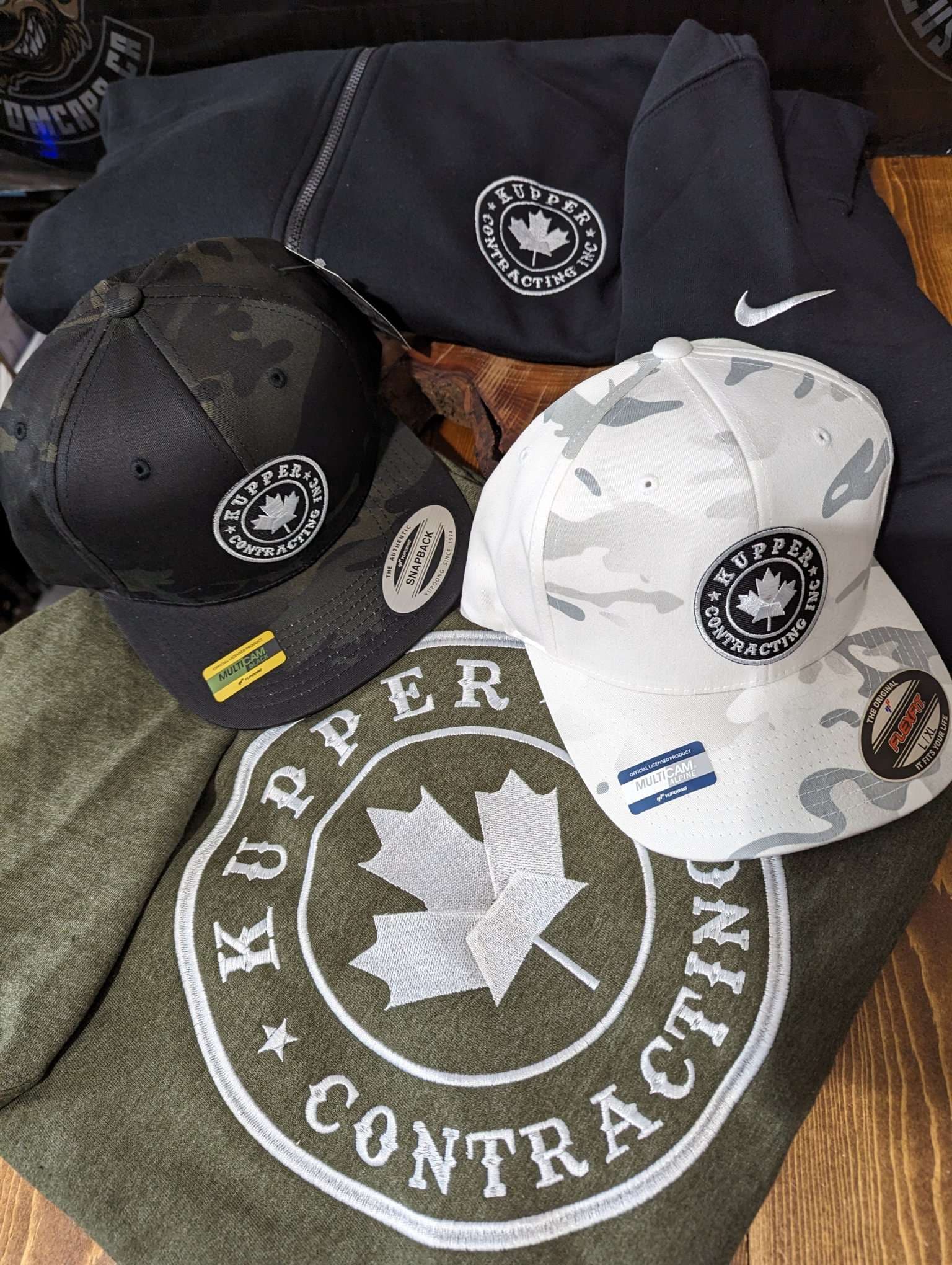
Raised puff lettering and logos need a file built for foam from the start: satin columns wide enough to wrap it, density high enough to cut it, and closed ends so no foam shows through. We digitize puff designs by hand for cap fronts, chest placements and anywhere else you want height.

Satin-only construction
Puff areas are built from satin columns, the only stitch type that wraps and cuts foam properly.
Capped ends
Column ends and corners are closed off so the foam is sealed in and no edges peek through after tear-away.
Cut-through density
Higher density on puff elements perforates the foam cleanly, so the excess tears away without picking.
Flat + puff combined
Designs that mix flat embroidery with puff are sequenced so flat areas sew first and the foam goes down only when needed.
Why puff needs its own digitizing
Running a standard file over foam does not work. Fill stitches flatten it, narrow columns cannot cover it, and open column ends let it poke out after the excess is torn away. A puff file is designed around the foam: wider columns, adjusted pull compensation, higher density and dedicated end treatments.
The design itself often needs adjusting too. Thin strokes, small counters in letters and fine details are opened up or simplified so they puff evenly instead of collapsing.
Where 3D puff works best
- ·Structured cap fronts and trucker hats
- ·Bold chest lettering and wordmarks
- ·Simple icons and outlined logos
- ·Combination designs with flat embroidery and a puff focal point
What we need to quote
Your artwork, the finished size, the placement, and the foam thickness you plan to use if you have a preference. If parts of the design are too fine to puff, the quote will say so and suggest what to keep flat.
Pricing
| 3D puff digitizing | +$10 – $15 over standard digitizing |
| Cap digitizing (standard) | $15 – $35 |
| Small logo, under 4" (standard) | $10 – $20 |
Final pricing is confirmed in your free quote before any work starts. Full pricing
Send the artwork
Any format, any quality, plus size, placement and material.
Quote back same day
Flat price and turnaround before any work starts.
Prepared by hand
Built manually and checked before it goes back to you.
Files, plus edits
Production files delivered. Edits on the same job are free.
3D puff digitizing questions
3D puff adds $10–$15 to standard digitizing pricing. For example, a cap front that would normally be $15–$35 is quoted with the puff surcharge added.
Bold lettering and simple shapes work best. Very thin strokes and fine detail do not puff well, so those parts are usually kept as flat embroidery. The quote will point out anything that needs adjusting.
Yes. The file is sequenced so the flat areas sew first, the machine stops for the foam, and the puff elements sew on top.
DST, EMB, PES, EXP and JEF as standard, with other formats on request, plus a preview sheet showing the foam stop.